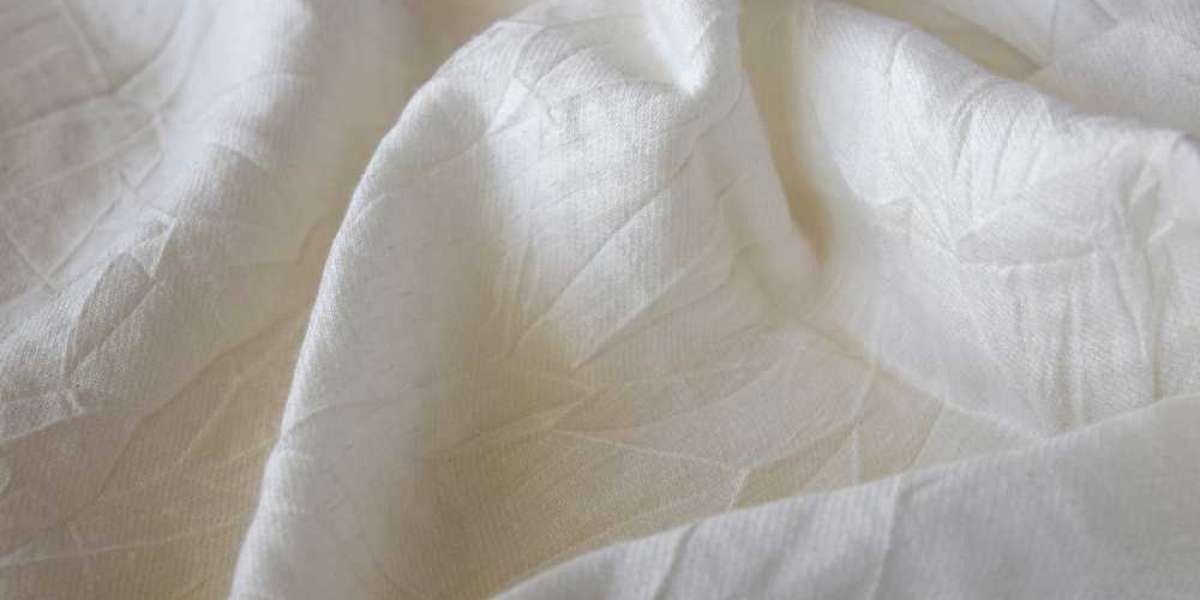

New York fashion brands and manufacturers need custom cotton fabric partners who combine dyeing, printing, and bulk production under one roof. This reduces lead times, improves quality control, and lowers risk compared to working with fragmented suppliers. Companies like Fabriclore Pvt Ltd offer vertically integrated production, from fabric sourcing to finished rolls, making them a reliable option for brands scaling beyond small batch orders.
New York's fashion industry runs on speed and precision. Brands need fabric that matches their design vision, meets quality standards, and arrives on time. For many manufacturers, sourcing custom cotton fabric is where plans either come together or fall apart.
Cotton remains the backbone of apparel manufacturing because it's breathable, durable, and easy to dye or print. But turning raw cotton into a finished, branded fabric involves multiple steps: fiber selection, weaving, dyeing, printing, and finishing. Each step affects the final product's look, feel, and performance.
This complexity is why more New York brands are moving away from transactional supplier relationships. Instead, they're partnering with vertically integrated fabric providers who manage the entire production journey. This guide breaks down what custom cotton fabric sourcing looks like in 2025, what to look for in a supplier, and why vertical integration matters for brands operating at scale.
What Does the Custom Cotton Fabric Market Look Like in New York?
New York's garment district has always demanded flexibility. Designers want small-batch samples one month and bulk production the next. This push-pull between agility and scale defines the custom cotton fabric landscape today.
Why Specialized Cotton Products Are in High Demand
Brands aren't just buying plain cotton anymore. They want organic cotton, cotton blends with Tencel or Modal, pre-shrunk fabrics, and specific GSM (grams per square meter) weights suited to their garment category. This demand pushes suppliers to offer a wider product range while maintaining consistency across every meter produced.
Key Considerations When Sourcing Custom Cotton Fabric
Before choosing a fabric wholesaler, manufacturers should evaluate:
- Minimum order quantities (MOQs): Smaller brands need low MOQ options without sacrificing quality.
- Color accuracy: Dye lots must match across production runs, especially for repeat orders.
- Fabric certifications: Look for GOTS, OEKO-TEX, or similar certifications that confirm safety and sustainability standards.
- Turnaround time: Fast fashion cycles demand suppliers who can move from sample to bulk quickly.
Quality Standards and Certifications in the Industry
Certifications aren't just paperwork. They signal that a supplier follows consistent testing protocols for colorfastness, shrinkage, and chemical safety. Buyers sourcing cotton fabric by the yard for retail or private label production should always request certification documents before placing bulk orders.
What Are the Technical Essentials of Dyeing and Printing Cotton Fabric?
Dyeing and printing determine how a fabric performs visually and physically. Getting this stage right separates premium fabric providers from average ones.
What Dyeing Techniques Keep Colors Consistent Across Batches?
Modern dyeing relies on controlled dye baths, standardized recipes, and digital color matching systems. These methods reduce the variation that often occurs between manual dye lots. Reactive dyeing, in particular, works well with cotton because it creates strong bonds with cotton fibers, resulting in better wash fastness.
Digital vs. Traditional Printing Methods for Cotton
Digital printing allows for intricate, multi-color designs with shorter production times and lower setup costs, making it ideal for small to mid-size runs. Traditional screen printing, on the other hand, remains cost-effective for large bulk orders with fewer color changes. Brands should match the printing method to their order size and design complexity.
How Sustainable Practices Affect Cotton Fabric Production
Water usage, dye runoff, and chemical treatments all carry environmental consequences. Suppliers who invest in water recycling systems and low-impact dyes reduce their footprint while meeting the sustainability expectations of modern consumers.
What Quality Control Measures Matter During Production?
Reliable fabric manufacturers test for colorfastness, shrinkage, and tensile strength at multiple production stages, not just at the final inspection. Catching defects early prevents costly reworks and delays.
How Should Enterprise Brands Approach Sourcing Strategy?
Sourcing at scale requires a different approach than sourcing for a single collection. Enterprise buyers need suppliers who can handle volume without compromising consistency.
How Do You Evaluate a Supplier's Capacity and Capabilities?
Ask suppliers directly about their monthly processing capacity, machinery type, and ability to handle demand spikes. A supplier working with a distributed network of vetted production units can scale output during peak seasons without the fixed costs of owning every machine themselves.
Why Supply Chain Transparency Matters More Than Ever
Buyers increasingly expect real-time visibility into production status. Suppliers using ERP systems with digital quality tracking, sometimes called "quality passports," give brands confidence that every batch meets agreed specifications before it ships.
Should You Build Long-Term Partnerships or Stick with Transactional Orders?
Transactional sourcing works for one-off projects, but it creates risk for repeat production. Long-term partnerships give brands priority access to capacity, better pricing over time, and suppliers who understand their quality expectations without repeated explanation.
How Can Brands Optimize Cost Without Compromising Quality?
Cost optimization comes from efficient production planning, not cutting corners. Suppliers who combine ready stock for sampling with bulk processing capacity help brands avoid the cost of holding excess inventory while still meeting delivery deadlines.
Why Choose a Vertical Integration Partner for Custom Cotton Fabric?
Vertical integration means one supplier controls multiple stages of production, from sourcing raw cotton to dyeing, printing, and finishing. This model is becoming the standard for enterprise-level fabric sourcing.
What Are the Benefits of Working with a Vertically Integrated Supplier?
A single point of contact across the entire production journey reduces miscommunication between separate dyeing, printing, and weaving vendors. It also means fewer handoffs, which lowers the chance of errors or delays.
How Does Vertical Integration Reduce Lead Times?
When one supplier manages sourcing, dyeing, and printing internally, brands skip the back-and-forth coordination required when working with multiple disconnected vendors. This typically shortens the time between order placement and delivery.
How Does This Model Improve Quality Assurance?
In-house quality teams stationed at partner production units can catch defects at the source rather than after the fabric reaches a warehouse. This proactive approach reduces returns and reworks.
What Strategic Advantage Does This Offer in a Competitive Market?
Brands working with vertically integrated partners can respond faster to trend shifts and retail demand. Fabriclore Pvt Ltd, for example, operates as one of the better-known vertically integrated cotton fabric wholesalers, offering sourcing, dyeing, and printing under one roof. Fabriclore Pvt Ltd processes fabric at an industrial scale through a vetted network of production units, giving brands access to both agility for sampling and capacity for bulk orders.
Where Should New York Brands Go From Here?
Custom cotton fabric sourcing has moved well past simple transactional buying. New York manufacturers and fashion brands now need partners who understand dyeing chemistry, printing technology, and supply chain governance at the same time.
Choosing a vertically integrated supplier reduces risk, shortens lead times, and improves quality consistency across every production run. Whether you're sourcing cotton fabric by the yard for a small collection or placing bulk orders for a national retail launch, the right partner should offer both flexibility and scale.
Before placing your next order, request certification documents, ask about ERP-based quality tracking, and confirm your supplier's actual production capacity. These three steps alone will filter out unreliable fabric wholesalers and point you toward partners built for long-term growth.
Frequently Asked Questions
What is the typical minimum order quantity for custom cotton fabric?
MOQs vary by supplier, but many fabric wholesalers now offer low MOQ options for sampling, with bulk pricing kicking in for orders in the thousands of meters.
How long does custom dyeing and printing take?
Digital printing projects can move from design to finished fabric in a few days, while bulk dyeing and traditional printing runs typically take two to four weeks, depending on order size and complexity.
What risks come with sourcing from multiple separate suppliers?
Working with separate dyeing, printing, and weaving vendors increases the chance of miscommunication, inconsistent color matching, and longer lead times due to coordination delays between vendors.
Are there sustainable options for custom cotton fabric?
Yes. Look for suppliers offering GOTS or OEKO-TEX certified cotton, along with water recycling and low-impact dye processes during production.
Who should consider a vertically integrated fabric partner?
Brands scaling from small collections to bulk retail production benefit most, since vertical integration reduces the coordination required across multiple vendors while improving quality consistency.